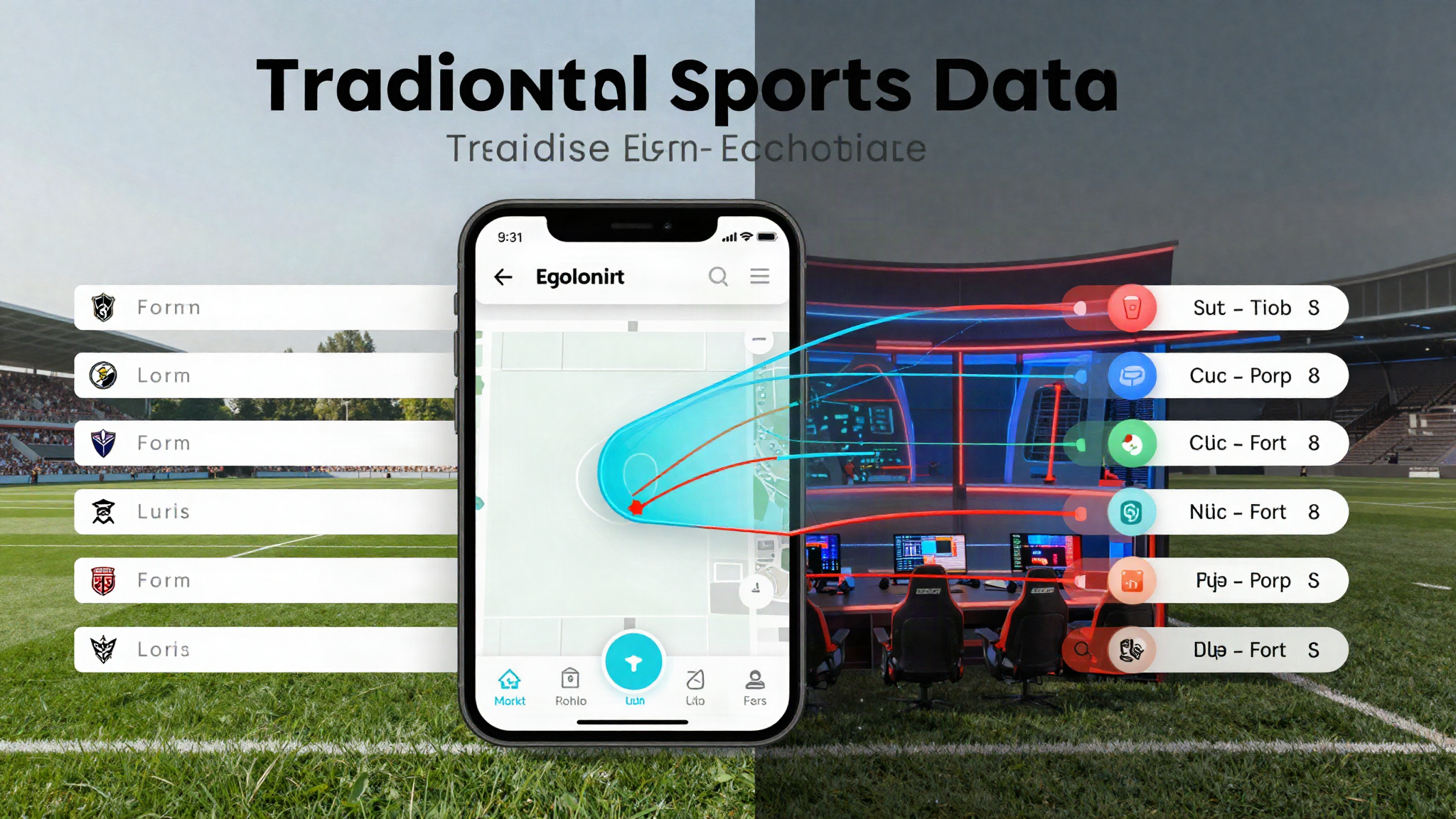
Traditional sports and esports now appear beside each other in many mobile feeds, but they should not be researched with an identical checklist. Both depend on schedules, lineups, recent performance, and reliable reporting. The meaning of those inputs can differ sharply. Weather may reshape a football match, while a software patch can reshape a competitive game overnight. Clear mobile research begins by identifying which variables belong to the competition being studied and when each pieceof information was last confirmed.
Contents
- Start With the Competition Format
- Build a Physical-Sports Checklist
- Use a Different Checklist for Esports
- Treat Rosters as Time-Sensitive Data
- Check Time Zones and Schedule Revisions
- Interpret Live Data According to Its Origin
- Compare Performance Within the Right Context
- Create a Compact Mobile Research Note
Start With the Competition Format
Before looking at form, establish how the event is structured. Traditional sports may use league tables, knockout rounds, two-legged ties, overtime, or aggregate scoring. Esports events can use best-of series, group stages, double-elimination brackets, map advantages, or game-specific side selection. A result from one format should not be compared casually with another. On a phone, expand abbreviated event names and confirm the rules rather than relying on a compact schedule card.
Build a Physical-Sports Checklist
When browsing information grouped under thể thao 789WIN, separate confirmed facts from general commentary. Useful checks include the venue, kickoff time, travel distance, rest period, expected weather, suspensions, injuries, and officially announced lineup. Home and away records need context because opponents and competition levels differ. A team’s recent scoreline alone may conceal red cards, schedule congestion, or substantial changes in available personnel.
Use a Different Checklist for Esports
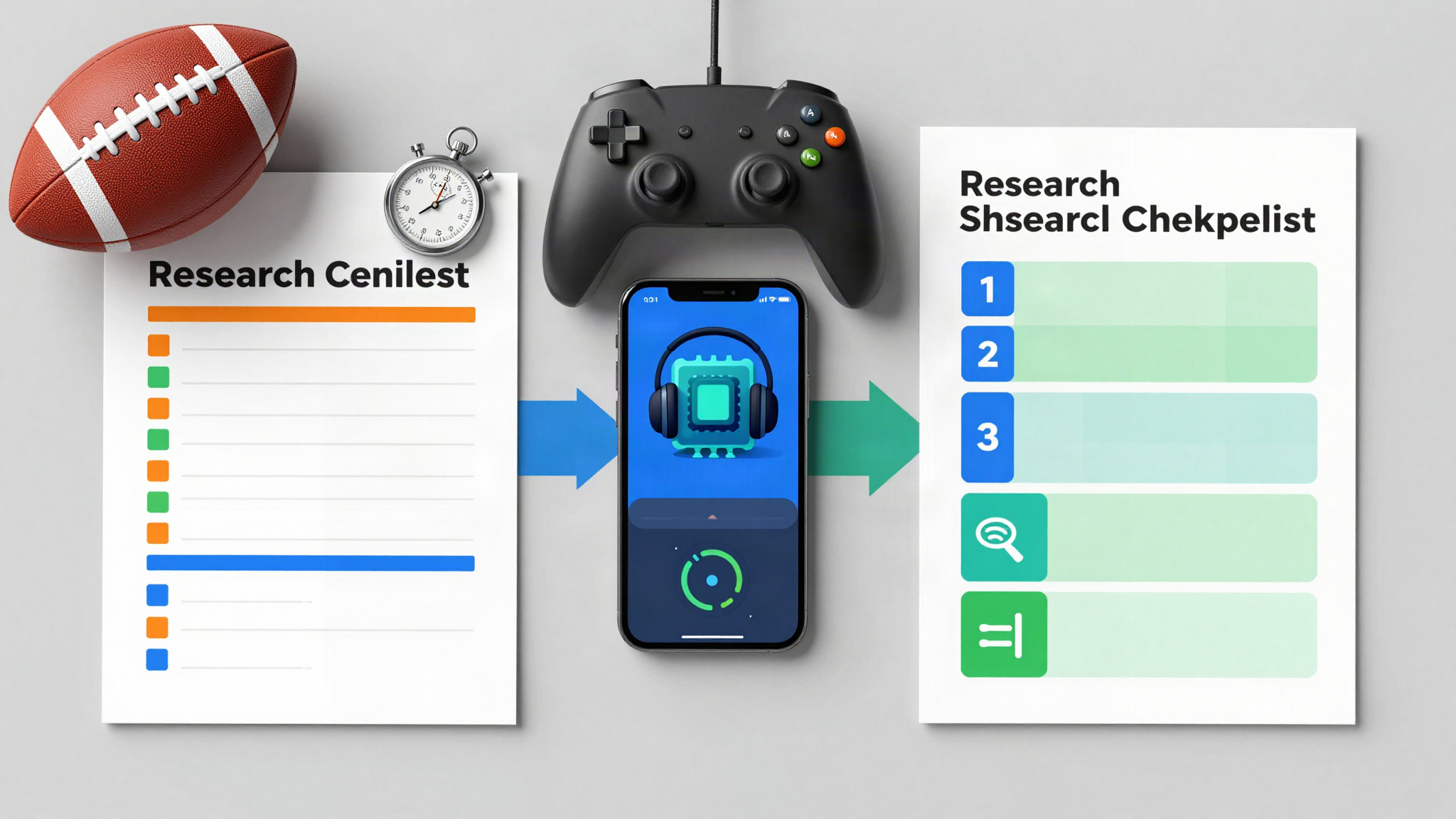
A section labeled thể thao điện tử 789win requires variables that may not exist in field sports. Confirm the game title, current patch, tournament server, map pool, series length, roster, substitute rules, and whether the event is online or played on a local network. Historical statistics from an older patch may describe a different competitive environment. Even a familiar team name may represent a changed lineup or coaching system.
Treat Rosters as Time-Sensitive Data
Player availability matters in both categories, but esports substitutions can be announced close to match time and aliases may vary between sources. Save the publication time with every roster update. Prefer official competition or team channels for confirmation, then use independent reporting for explanation. A predicted lineup is not an announced lineup. If a mobile page blends the two without clear labels, postpone conclusions until the distinction can be verified.
Check Time Zones and Schedule Revisions
International events often appear in the phone’s local time, while articles or social posts may preserve the organizer’s time zone. Compare the full date, zone, and event identifier. Midnight conversions can move a match onto a different calendar day. Esports brackets also change when an earlier series runs long, and outdoor sports may face weather delays. A schedule screenshot becomes unreliable once an organizer publishes a revision, so refresh the primary source before the event.
Interpret Live Data According to Its Origin
Physical-sports feeds may receive information from venue systems, broadcasters, or third-party trackers. Esports statistics can come directly from a game server or from an observer feed. Neither should be assumed instantaneous. A delayed mobile connection can make a clock, score, or map state appear current when it is not. Check the feed timestamp and avoid combining live data from sources with different delays. Fast presentation is not the same as verified accuracy.
Compare Performance Within the Right Context
A winning streak against lower-ranked opponents may say less than a mixed record against stronger competition. In esports, map-specific strength and side preference can be more informative than an overall match percentage. In field sports, tactical matchups, possession style, and set-piece performance may matter differently by opponent. Use statistics to describe what happened, not to guarantee what happens next. Random events and incomplete information remain part of both domains.
Create a Compact Mobile Research Note
- Record the event, format, start time, and source timestamp.
- List only confirmed roster or lineup information.
- Add sport-specific conditions such as weather, patch, venue, or map pool.
- Mark predictions and unverified reports separately from confirmed facts.
- Refresh the primary source before using the completed note.
If the information is connected to wagering, users must follow local laws and age restrictions. Research cannot remove uncertainty or guarantee a financial return. Establish firm time and spending limits, never borrow money, and do not chase a loss because a data point seemed convincing. The strongest comparison between sports and esports is not a shared prediction method; it is a disciplined process that respects how each competition produces, updates, and confirms its information.