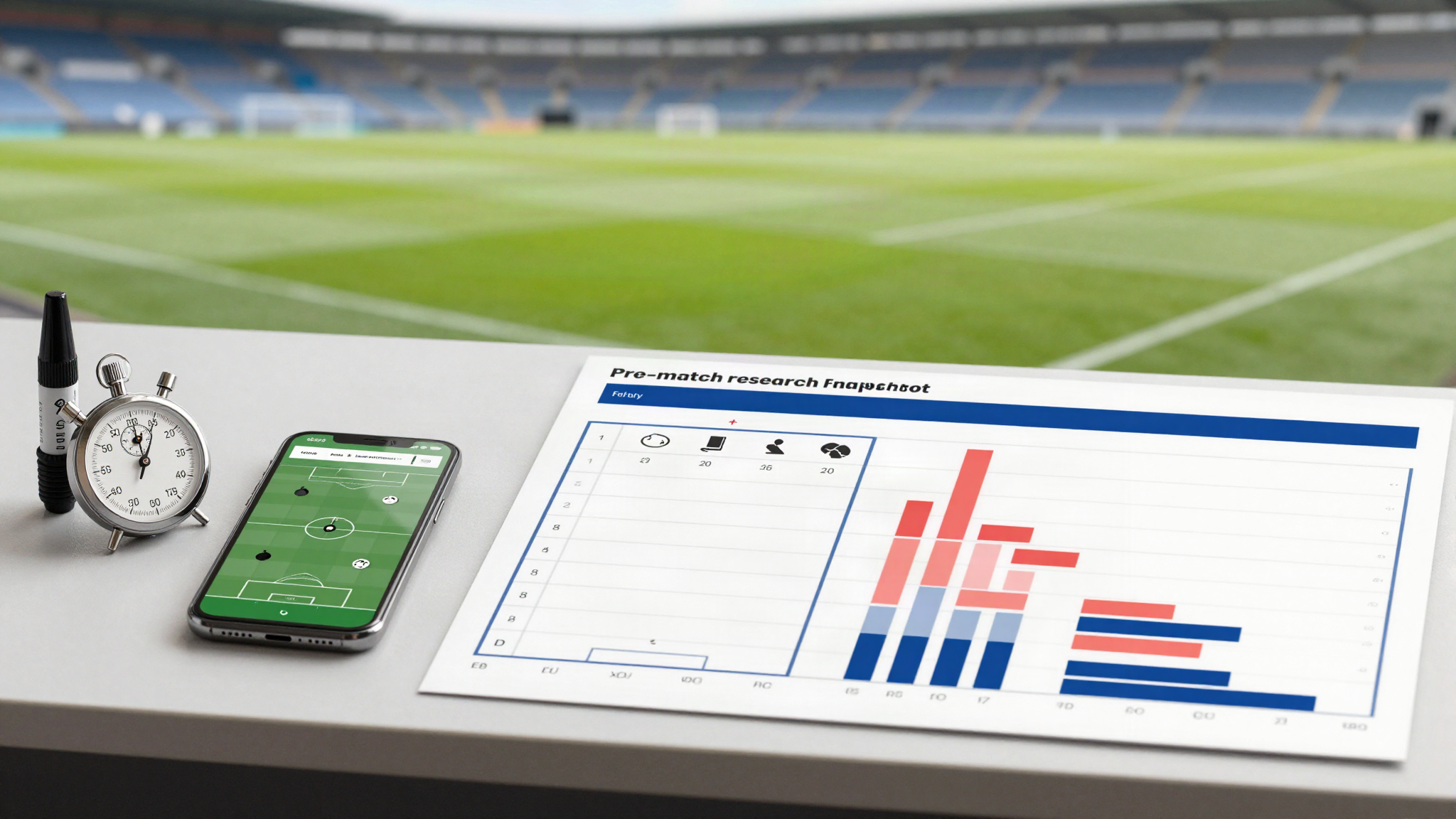
A pre-match football screen is not a permanent statement. It is a snapshot of what a source displayed at a particular moment, under a particular set of conditions. Kickoff times move, lineups change, injuries are clarified, and markets are refreshed. Without a timestamp, two figures that look comparable may actually describe different stages of the same match.
Contents
Treat Every Reading as an Observation
Start by recording the date and exact local time whenever you save a figure. Add the time zone as well, especially when following competitions across several countries. A note such as “captured at 14:20 ICT, three hours before kickoff” is far more useful than a screenshot with no context. It tells you what information was likely available and prevents a later update from being mistaken for an error.
Identify the Match Before Saving Data
Every snapshot should include the competition, teams, scheduled kickoff, venue, and source. Team names alone are not enough because clubs may meet in a league, cup, friendly, or youth competition within a short period. When consulting a Vietnamese reference such as kèo bóng đá, write down the page address and capture time beside the observation. This creates a basic audit trail if you return to the match later.
Label the Market and Its Rules
A number has little meaning without its market scope. Mark whether it applies to the first half or full match, and whether settlement covers regulation time only. For totals or handicaps, record the displayed line together with the associated price rather than saving one without the other. If several providers use different naming conventions, normalize them in your notes while preserving the original label in a separate field.
Separate Early News From Confirmed Information
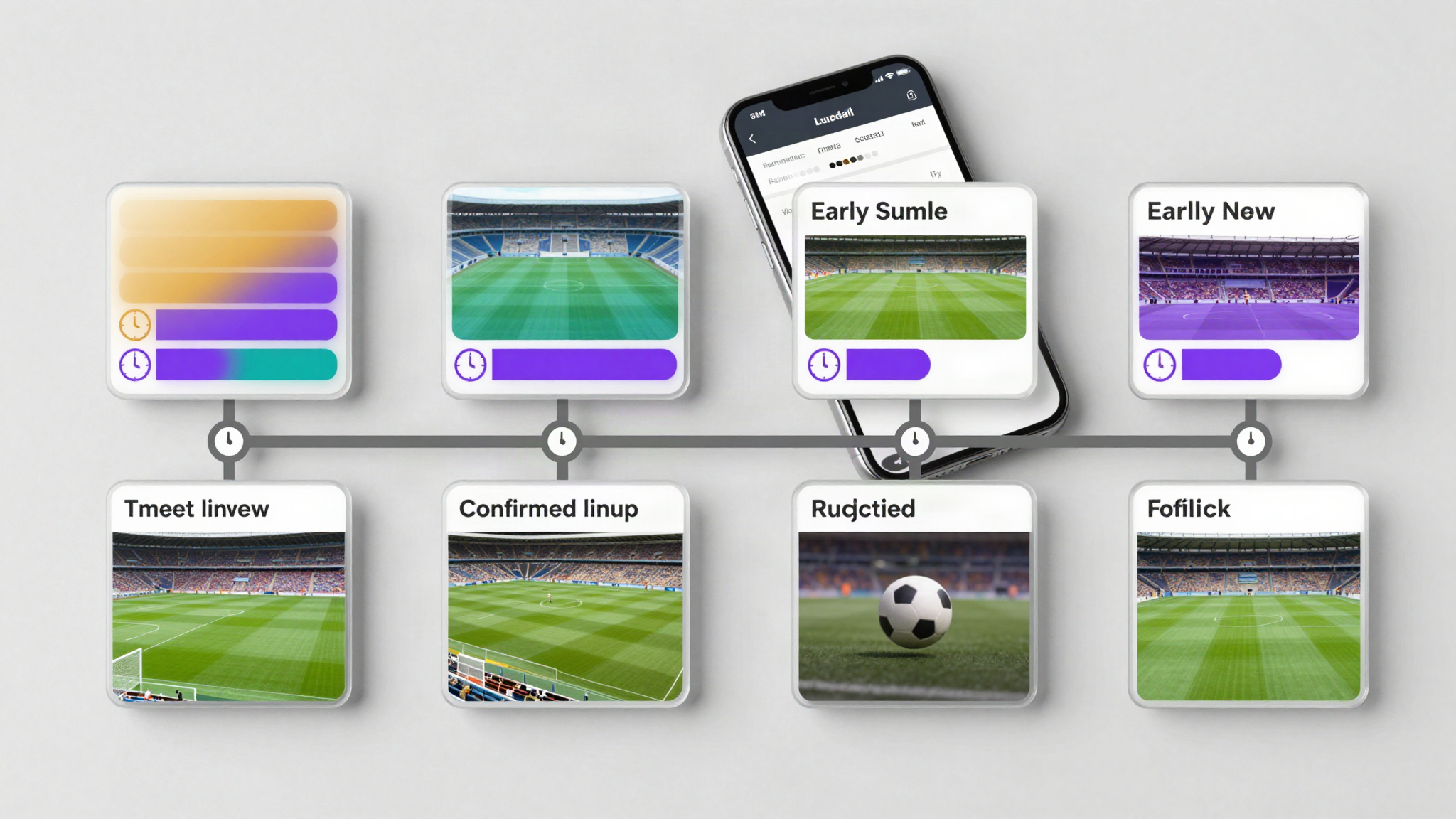
Pre-match research often passes through distinct stages: initial schedule, travel reports, weather updates, probable teams, and official lineups. Keep those stages separate. A rumored absence should never be stored as though it were confirmed. Likewise, an expected formation is not the same as the starting eleven released close to kickoff. For daily lists such as kèo bóng đá hôm nay, first verify the calendar date, time zone, and whether postponed fixtures remain visible.
Compare Like With Like
Choose repeatable checkpoints when comparing several matches or several sources. For example, save one reading the evening before kickoff, another after official lineups, and a final one shortly before play begins. Do not compare a figure captured twelve hours early with one captured ten minutes before kickoff and call the difference a provider disagreement. If an expected checkpoint is missing, leave it blank and note why; filling gaps with a later value weakens the record.
Archive Updates Instead of Overwriting Them
When information changes, create a new row or note rather than replacing the old one. A simple record might contain captured time, source, market type, line, price, lineup status, weather status, and a short comment. Preserving each version lets you reconstruct the sequence later. It also exposes stale browser tabs or cached mobile pages: if a supposedly newer screen shows an earlier update time, refresh it before using the figure.
Explain Movement Carefully
A changed line does not reveal its cause by itself. Team news, weather, liquidity, provider risk controls, or ordinary market activity may all contribute. Record confirmed events next to the timeline, but avoid assigning a single explanation without evidence. The strongest analysis distinguishes what was observed from what was inferred. That habit makes comparisons clearer and reduces hindsight bias after the result is known.
Use a Compact Verification Checklist
- Confirm the competition, fixture, venue, and kickoff time.
- Record the capture time and time zone.
- Label the market period and settlement scope.
- Save the line and price together.
- Distinguish projected teams from official lineups.
- Keep previous snapshots when data changes.
- Refresh mobile pages and check update indicators.
- Separate confirmed facts from possible explanations.
A timestamped workflow does not predict a match or remove uncertainty. Its purpose is simpler: it keeps football research consistent, reviewable, and honest about what was known at each stage. Anyone using market information should also follow local laws, set firm limits, and treat the data as context rather than a guarantee of any outcome.