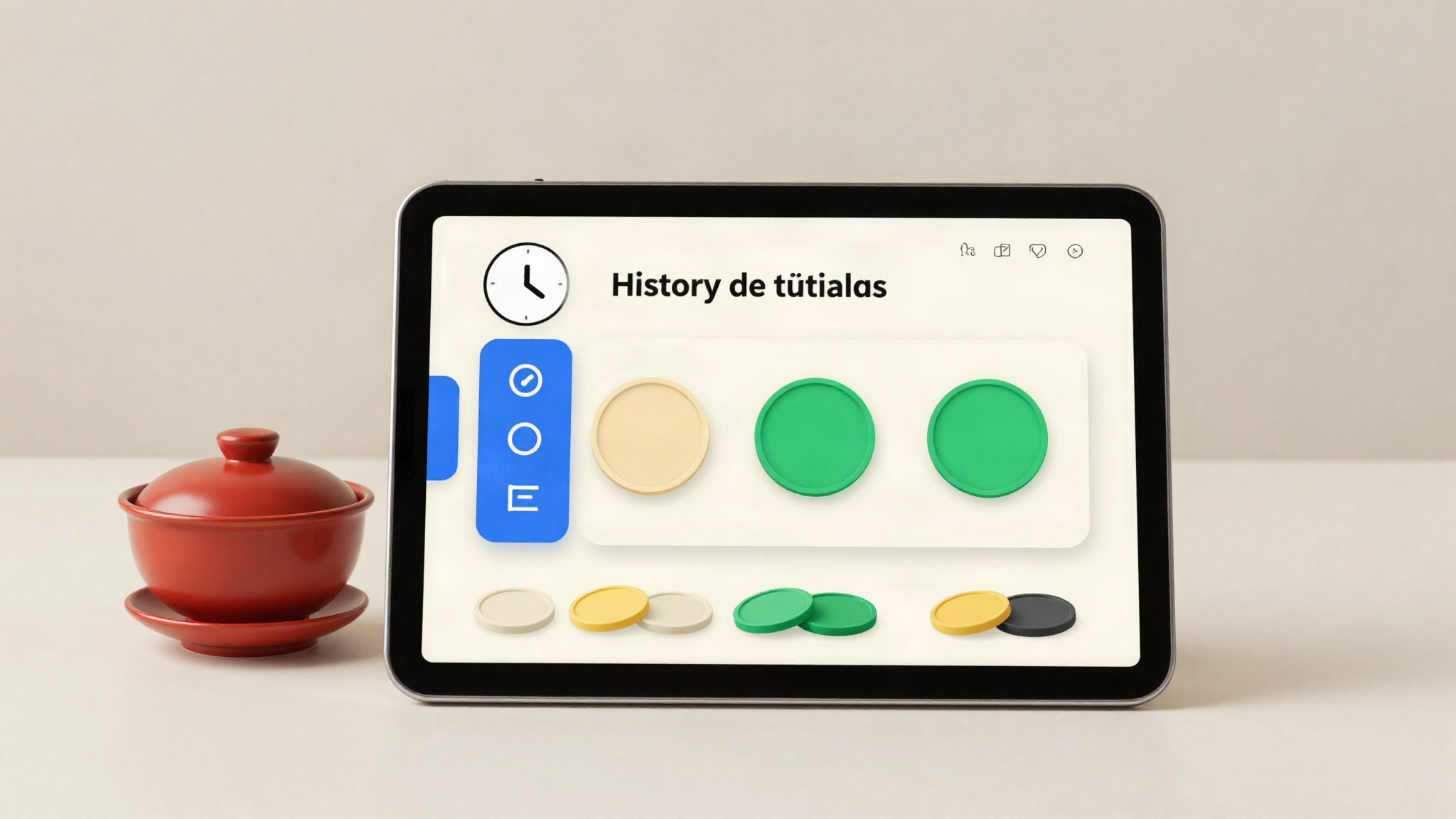
A digital tabletop round should be understandable from beginning to end without relying on animation or memory. Players need to know when a round opens, when choices become final, how the outcome is revealed, and what happens after a connection problem.
Contents
- Define Every Stage Before Play Begins
- Explain the Rules Outside the Live Round
- Make the Locking Moment Verifiable
- Separate Animation From the Recorded Outcome
- Show What Happens During Disconnection
- Keep a Stable Round History
- Support Disputes With Specific Records
- Use Controls That Reduce Impulsive Continuation
- Round Transparency Checklist
Define Every Stage Before Play Begins
The interface should distinguish waiting, open, locked, revealing, settled, canceled, and archived states. Each stage needs a consistent label or icon rather than a color change alone. A visible timer should explain whether it counts down to the lock or to the reveal.
Explain the Rules Outside the Live Round
Rules should be available before a session starts and should not disappear when the table becomes active. They need to describe the physical concept being represented, the possible outcomes, how each result is classified, and how unusual situations are handled. When reviewing a page for xóc đĩa online, treat the rule section as a reference document: check whether terminology used there matches the labels displayed during the round.
Make the Locking Moment Verifiable
A choice submitted close to the deadline can create confusion if the interface does not confirm whether it was accepted. A transparent design provides a timestamped acknowledgment and then shows the selection in a stable locked state. Repeated taps should not produce duplicate actions. If the request arrives too late, the interface should say that it was rejected rather than briefly displaying it and removing it without explanation.
Separate Animation From the Recorded Outcome
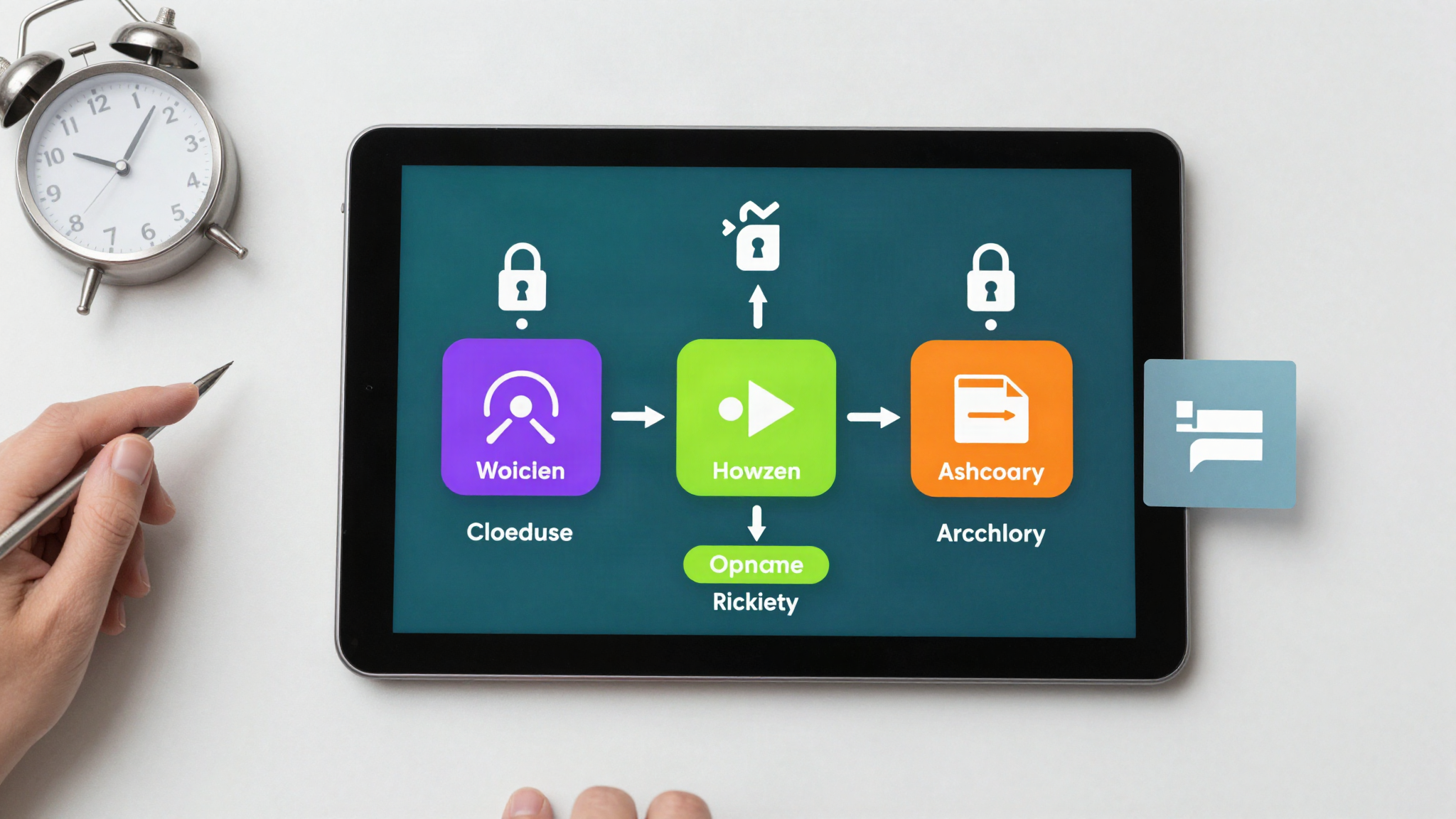
The visual reveal can make a round easier to follow, but it should not be the only evidence of what occurred. Animations may lag, skip frames, or fail to load on a weak connection. The recorded result should appear in a separate, persistent panel containing the round identifier, completion time, outcome classification, and status. Replaying an animation must never alter the stored result or create another round entry.
Show What Happens During Disconnection
Mobile devices regularly move between networks or place browsers in the background. The platform should explain whether an already confirmed action remains valid, whether an unfinished action is discarded, and how the screen recovers after reconnection. On return, the user should see the authoritative round state rather than a locally cached animation. A connection icon is useful only when it clearly distinguishes offline, reconnecting, synchronized, and failed states.
Keep a Stable Round History
A dedicated listing such as xóc đĩa online zowin can be evaluated by checking whether each archived round has a unique identifier, timestamp, final status, and unchanged outcome. Canceled rounds should remain visible as canceled rather than being deleted. History filters may help users find a session, but changing a filter should not reorder records in a way that makes the sequence appear different.
Support Disputes With Specific Records
A useful support process allows a user to reference a round identifier instead of describing an event vaguely. The help route should state which details are needed, such as time, device, connection state, and screenshot of the recorded status. Users should never be asked to share passwords or verification codes. Any correction should create a visible revision record with a reason and timestamp rather than silently replacing the original entry.
Use Controls That Reduce Impulsive Continuation
Round speed can make time pass unnoticed. A session clock, configurable reminder, pause option, and clear exit control should remain available between rounds. Set time and spending limits before starting and do not increase them because of a recent outcome. A displayed history records previous events; it does not make the next independent result predictable or guarantee that a pattern will reverse.
Round Transparency Checklist
- Identify waiting, open, locked, reveal, and final states.
- Read the complete rules before entering a live round.
- Check for timestamped action confirmation.
- Separate the animation from the stored outcome.
- Understand the reconnection and cancellation policy.
- Confirm that archived rounds have stable identifiers.
- Locate the dispute process and revision history.
- Set fixed session and spending limits in advance.
A transparent round is predictable in process, not in outcome. Clear states, durable records, and specific error messages allow users to understand what the system did without guessing. Participate only where lawful and age-appropriate, keep the activity recreational, and leave whenever important rules or records cannot be verified.