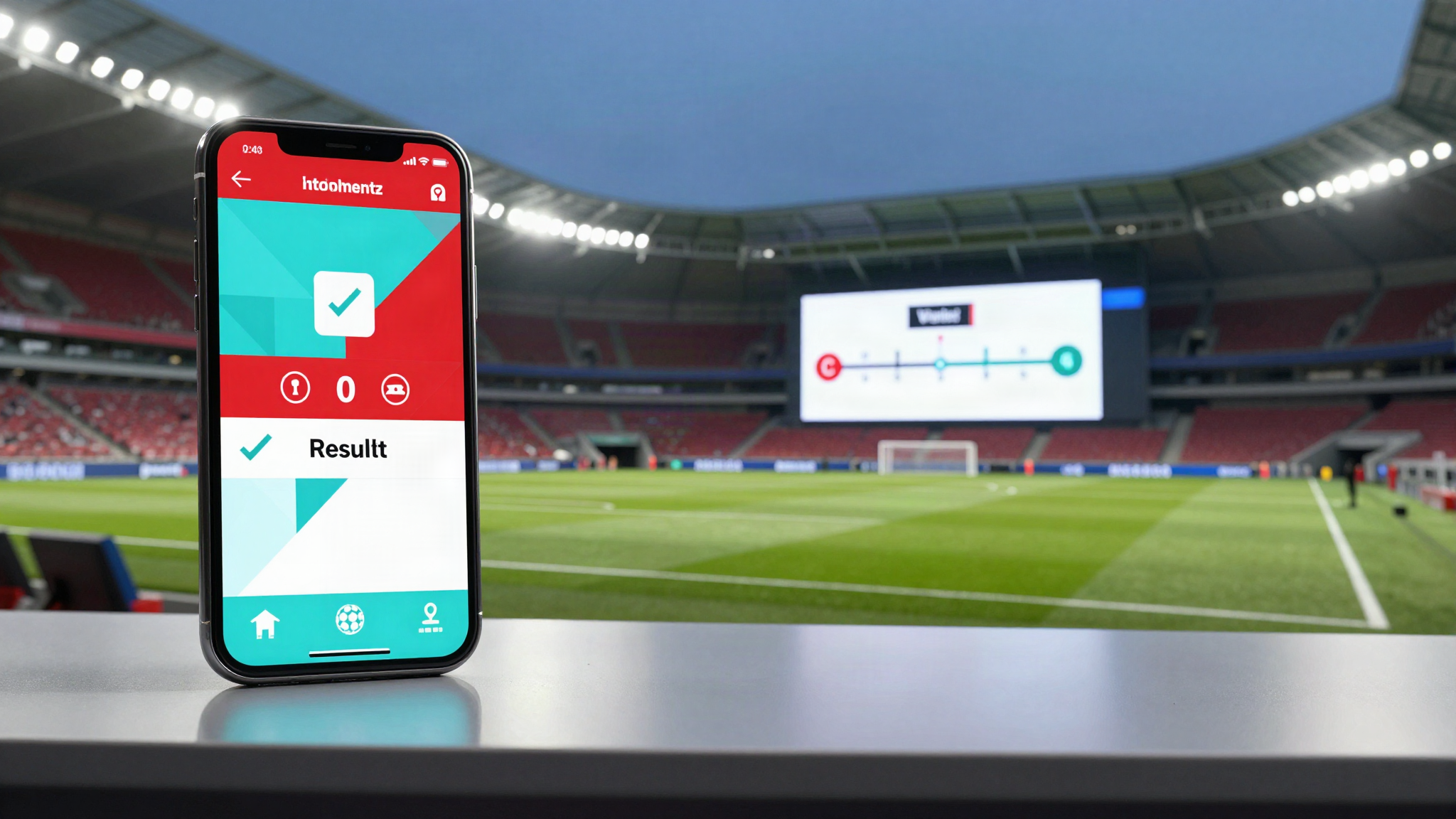
A football score can look complete while still lacking the context needed to interpret it correctly. The same pair of numbers may describe regulation time, extra time, a penalty shootout, an aggregate tie, or a match that was later abandoned. Mobile result pages compress these distinctions into small labels that are easy to overlook. A reliable verification process therefore starts with match identity and status before moving to the score itself.
Contents
- Confirm the Match Before Confirming the Score
- Read the Status Label as Part of the Result
- Check the Source and Update Time
- Separate Regulation Time From Extra Time
- Use Result Archives With Date and Competition Filters
- Understand Live-Feed Delay
- Track Corrections Without Erasing History
- Run a Final Result Checklist
Confirm the Match Before Confirming the Score
Begin with the competition, round, teams, venue, kickoff time, and match identifier where available. Clubs with similar names may play in senior, reserve, youth, or women’s competitions on the same day. Friendly matches can also appear beside official fixtures. Do not rely on team crests alone because graphics may be reused or loaded incorrectly. Expand the event details and confirm that every identifying field refers to the intended match.
Read the Status Label as Part of the Result
Final, postponed, suspended, abandoned, awarded, canceled, and interrupted are not interchangeable states. A displayed score beside a suspended match may only represent the moment play stopped. An awarded result can differ from the score recorded on the field. If the status is abbreviated, open the full match view or competition notice. A score should not enter an archive as final until the event itself is marked complete by a reliable source.
Check the Source and Update Time
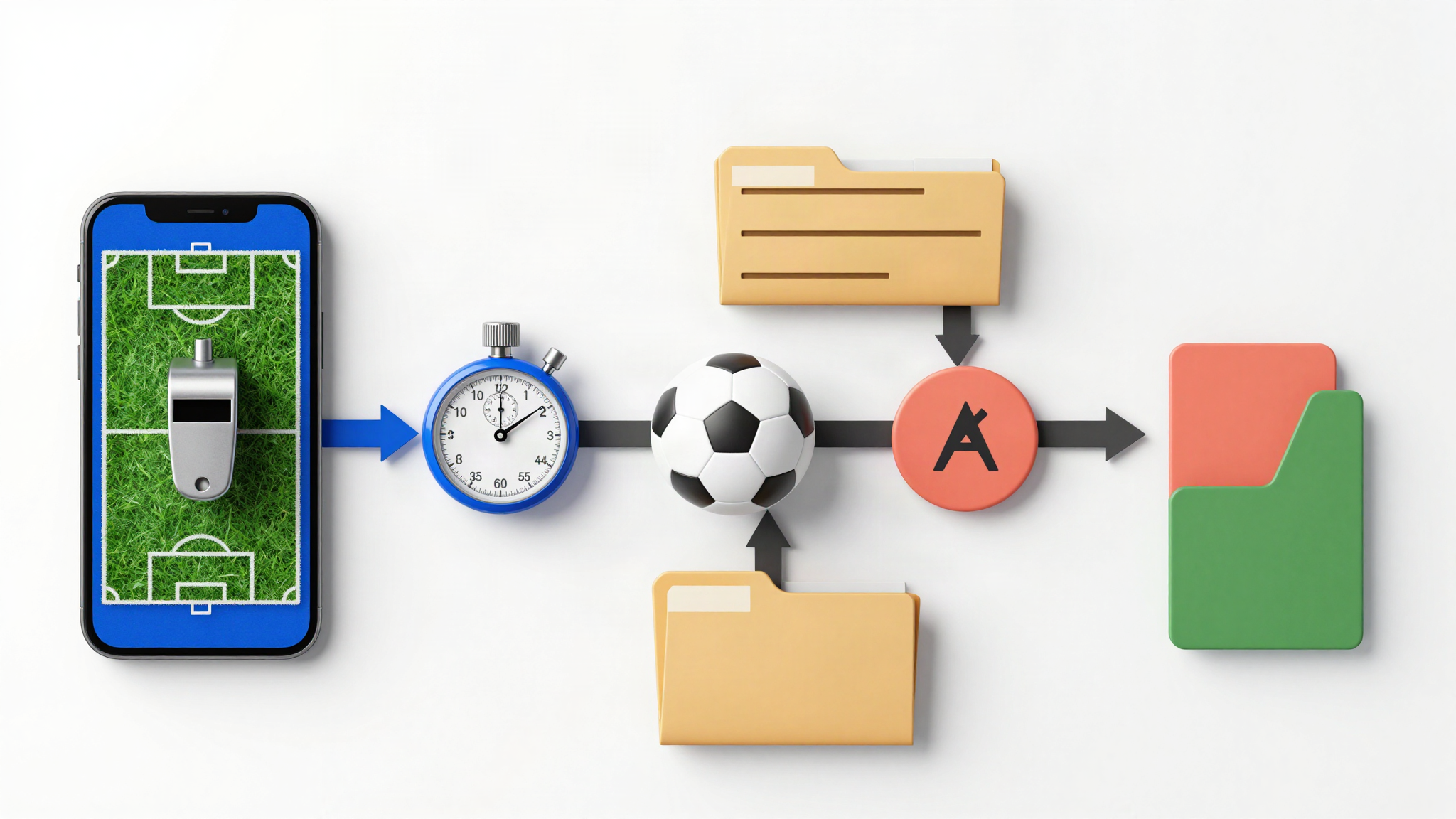
When reviewing a match page associated with bongdalu, note the page’s last update time and compare the details with an official league, federation, club, or tournament source. Independent result services are useful for navigation, but the organizer normally has authority over postponements, disciplinary decisions, and corrections. Two pages can briefly disagree because their feeds refresh at different times rather than because one score is necessarily fabricated.
Separate Regulation Time From Extra Time
Many competitions record the score after 90 minutes separately from the result after extra time. A mobile card may display only the final total unless expanded. Check whether parentheses, icons, or secondary rows represent halftime, regulation, extra time, shootout, or aggregate information. Shootout goals normally determine advancement without being added to the standard match score. Always store each figure with its defined period rather than preserving an unexplained pair of numbers.
Use Result Archives With Date and Competition Filters
A page organized around kết quả bóng đá can contain many leagues across several time zones. Filter by full date and competition before comparing entries. A late match may appear on the previous or following day after conversion to local time. Save the original kickoff zone when maintaining personal records. If a result is missing, check schedule changes before concluding that the archive is incomplete.
Understand Live-Feed Delay
Score feeds may receive data from stadium systems, broadcasters, statistical providers, or manual observers. Updates can arrive at different speeds, and a goal may briefly appear before being removed after an officiating review. A phone with an unstable connection may also show a cached state. Refresh carefully, compare the match clock, and wait for confirmation before treating a notification as final. Speed is useful during a match; verification matters more after it.
Track Corrections Without Erasing History
Post-match corrections can involve scorers, cards, attendance, kickoff times, or even the official result. Record when a correction was published and which authority issued it. A screenshot proves what appeared on one screen at one time, but it may omit later changes. Strong documentation combines the original observation, the corrected entry, a timestamp, and a link to the governing notice rather than silently replacing one number with another.
Run a Final Result Checklist
- Match the competition, teams, date, venue, and round.
- Confirm that the status is final rather than suspended or postponed.
- Separate regulation, extra-time, shootout, and aggregate figures.
- Compare the record with an authoritative competition source.
- Recheck the archive later for formal corrections.
Football data becomes dependable when the score is stored with its context. A fast mobile feed is helpful for following events, but no single notification should replace a completed match record. By checking identity, status, time period, source, and revision history, readers can avoid most common result errors and build an archive that remains understandable long after the final whistle.