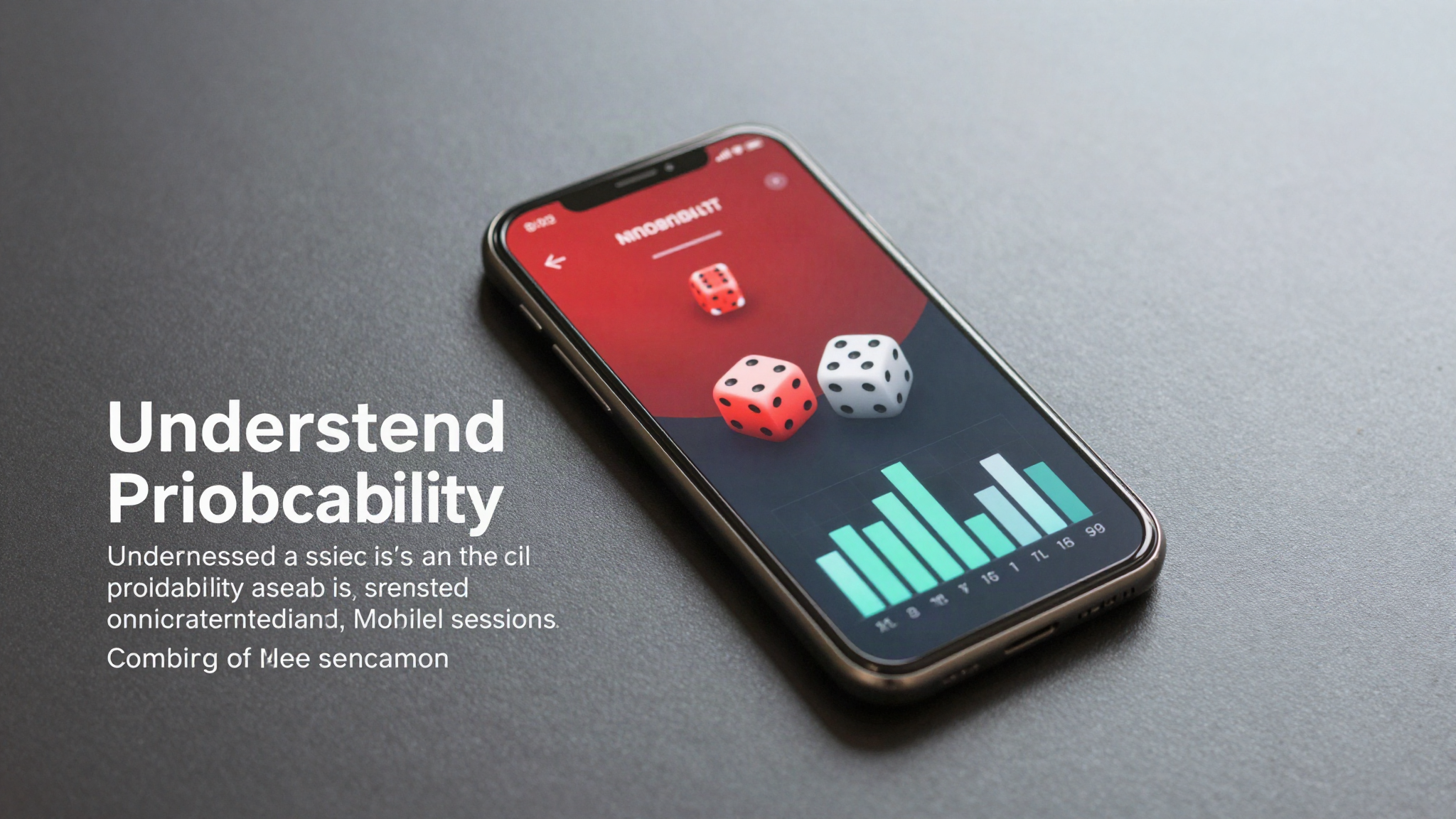
Mobile dice games are built around short rounds, simple buttons, and immediate feedback. That speed can make the experience feel easier to understand than it really is. A useful mobile-gaming routine starts by separating what the screen shows from what probability can actually support. Instead of treating every result as a signal, players should focus on clear rules, secure access, fixed limits, and deliberate pauses. This approach does not predict the next roll, but it does make each session easier to evaluate and control.
Contents
Begin With the Mathematics, Not the Streak
In a two-dice game, middle totals can be formed by more combinations than extreme totals. However, that distribution does not turn a recent sequence into a reliable forecast. Five high results do not make a low result “due,” and a repeated number is not evidence that the system will avoid it next. Each valid random round should be considered independently. Understanding this distinction is more useful than memorizing visual patterns because it prevents normal variation from being mistaken for a strategy.
Read the Interface Before Reading the Outcome
Start by identifying the countdown, selection area, confirmed stake, result history, and transaction record. Anyone comparing a mobile interface associated with sunwin should verify which number is the current round, when entries close, and whether a confirmation appears before any balance changes. A fast tap should never replace a clear check of the amount and selected side.
A page labeled tài xỉu sunwin may introduce game-specific terminology, but rules and payout tables should still be read directly and carefully. Names can vary between platforms, while the underlying questions remain the same: which totals belong to each category, which special outcomes are excluded, and how is a completed round recorded?
Create Boundaries Before Opening a Session
Good limits are chosen while the user is calm, not after a win or loss. A practical session plan has three parts:
- Time limit: set a short end time and use a device alarm rather than relying on memory.
- Spending ceiling: choose an amount that will not affect bills, savings, or essential purchases.
- Stop rule: end the session when either limit is reached, regardless of the latest result.
Do not raise a limit to recover a loss or extend a session because a streak feels promising. Those changes replace a plan with an emotional reaction.
Make Mobile Security Part of the Routine
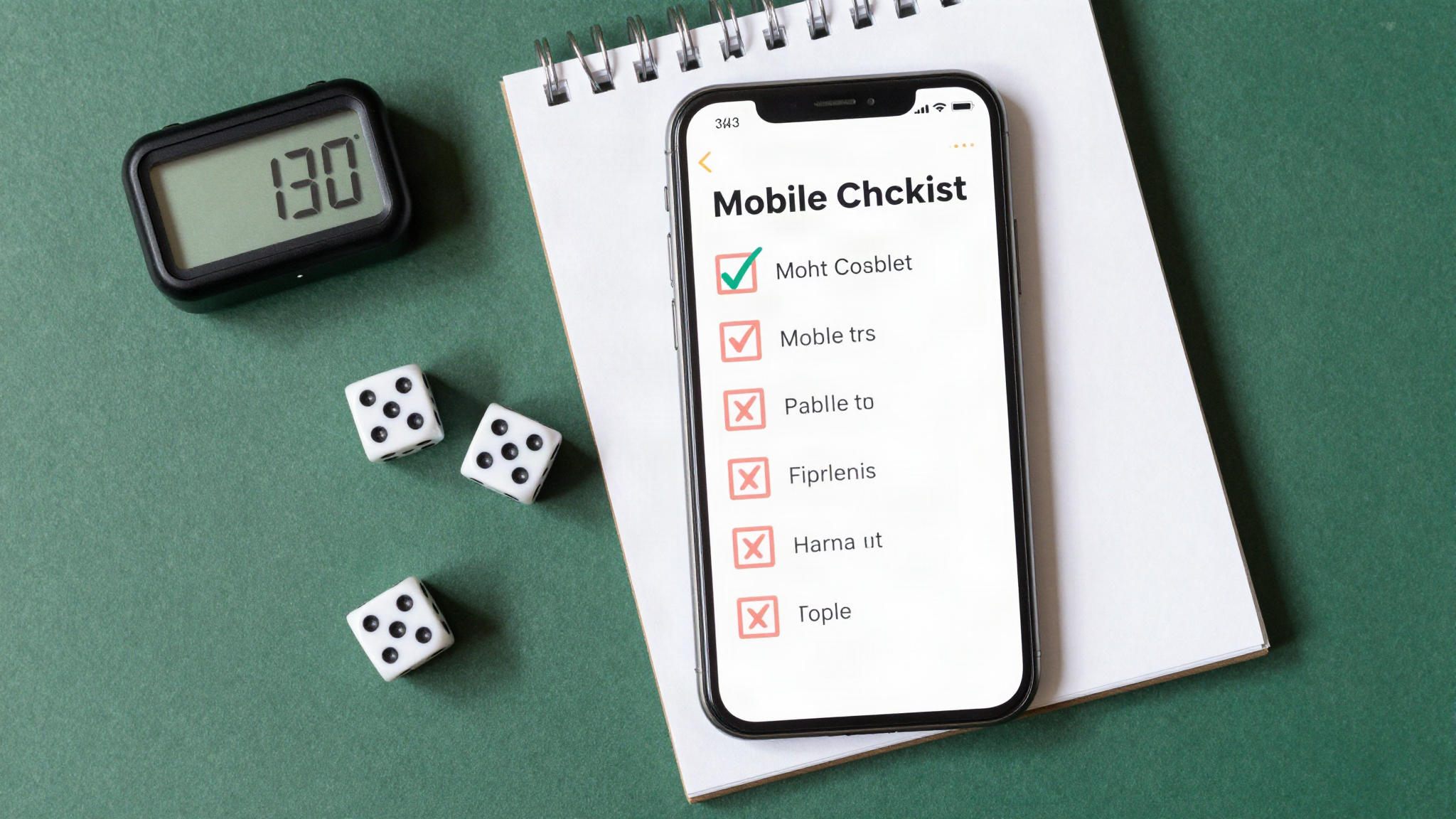
Before using any gaming service, check local laws and age restrictions. Confirm the web address manually, avoid links sent by unknown accounts, and never install an APK whose source cannot be verified. HTTPS protects data in transit but does not prove that a platform is licensed or trustworthy. Use a unique password, enable available account protection, keep payment receipts, and review app permissions. A dice game has no legitimate need for unrestricted access to contacts, messages, or unrelated files.
Use History as a Record, Not a Forecast
A round-history panel is valuable for checking timestamps, completed entries, and balance movements. It is not a map of what must happen next. If keeping notes helps, record session duration, total spend, and whether the original limits were respected. Avoid building systems around colors, alternating sequences, or “hot” totals. Random data naturally produces clusters, and those clusters become persuasive when attention is focused only on confirming examples.
Notice Emotional Decision Traps
Near misses, rapid animations, and immediate rematch buttons can encourage impulsive taps. Pause when frustration, urgency, or overconfidence appears. A five-minute break is often enough to reveal whether the next decision was planned or reactive. Never borrow money to continue, and do not treat gaming as income. If stopping feels difficult, use account limits, self-exclusion tools, or support from a trusted person or professional service.
Judge Quality by the Controls Provided
A responsible mobile experience should make rules, round IDs, transaction records, support channels, and limit tools easy to find. Clear information matters more than decorative effects or claims about winning. Before every session, verify the address, review the rules, set boundaries, and know how to leave. The strongest skill in a chance-based game is not predicting a random result; it is protecting attention, money, and decision quality from one round to the next.