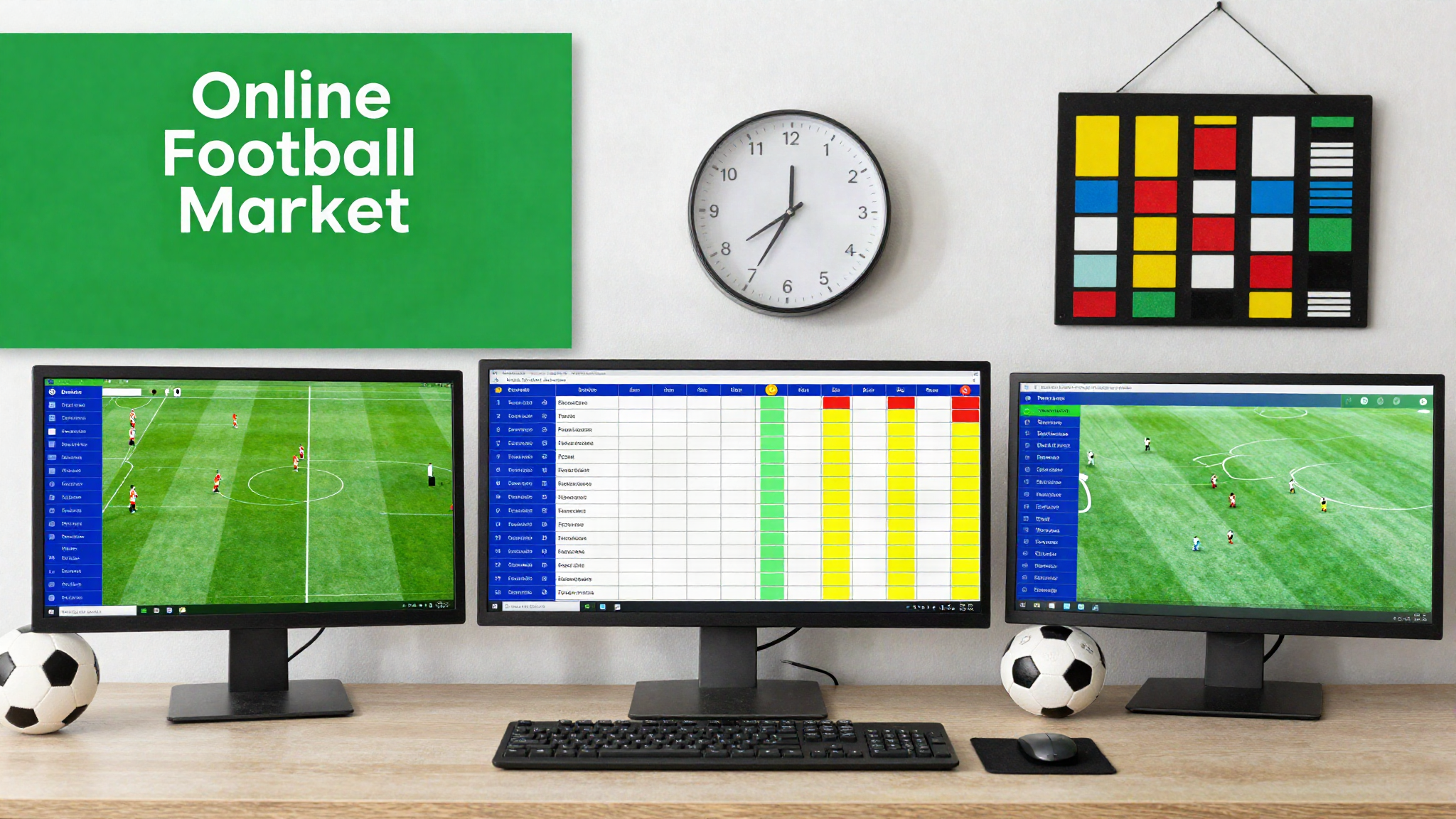
Comparing football market displays is harder than placing two numbers side by side. Different pages may describe different match periods, settlement rules, update times, or price formats even when they appear to cover the same fixture. A reliable comparison begins by normalizing those details so that every row in the worksheet refers to the same event and the same question.
Contents
- Lock the Fixture Identity First
- Compare Screens Captured at the Same Stage
- Define the Market Before Recording the Price
- Normalize Display Formats Carefully
- Treat Line and Price as One Record
- Separate Source Differences From Market Movement
- Document Suspensions and Stale States
- Keep Facts and Interpretation in Different Columns
- Use a Repeatable Comparison Sheet
Lock the Fixture Identity First
Record the competition, teams, venue, scheduled kickoff, and time zone before collecting any market information. Clubs can meet in league, cup, reserve, youth, or friendly fixtures, and shortened team names can conceal the difference. If a match is postponed or moved, preserve the original schedule and add the revision separately. This prevents an updated listing from being compared with an older fixture record that only looks identical.
Compare Screens Captured at the Same Stage
Online values can change as kickoff approaches, so every observation needs an exact capture time. Choose a comparison window, such as two hours before kickoff, and collect all sources within a few minutes. When reviewing a page labeled kèo nhà cái trực tuyến, note the device time, time zone, page update indicator, and whether the screen was freshly loaded. A cached tab is not a trustworthy current reading.
Define the Market Before Recording the Price
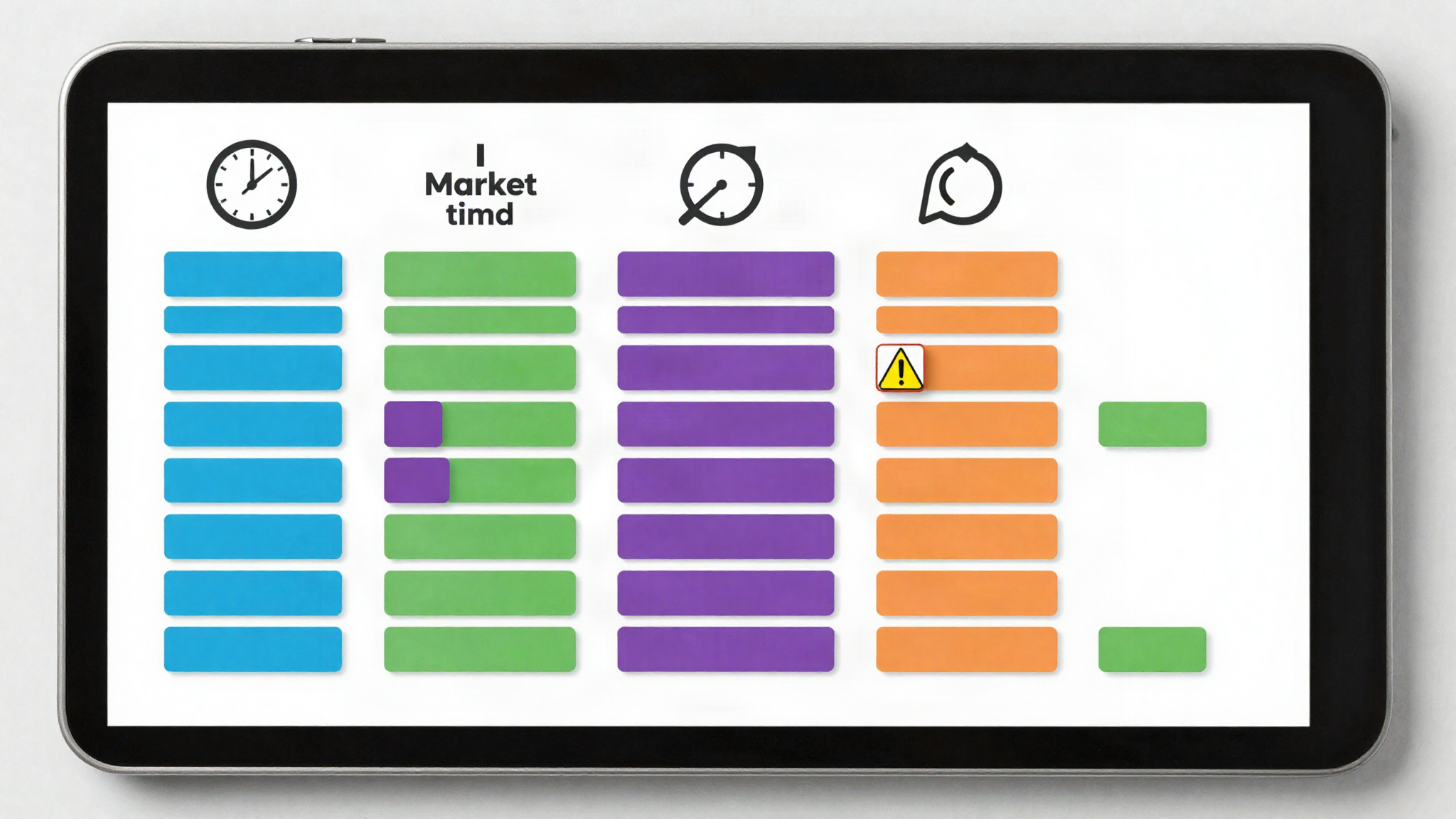
A market name must identify its period and settlement scope. Full-time may mean regulation time only, while some tournament displays can include extra time or other conditions. First-half, second-half, and full-match markets belong in separate rows. Totals and handicaps also require the displayed line; a price without its line is incomplete. Keep the source’s original wording in one field and place your standardized category in another.
Normalize Display Formats Carefully
Decimal, fractional, and American formats express the same type of price differently, but conversion can introduce rounding. Store the original display before calculating a common format. Use consistent precision across every source and mark converted values clearly. Do not interpret a small difference as meaningful until checking whether it was created by rounding, a different refresh time, or a genuinely different underlying price.
Treat Line and Price as One Record
A handicap or total can move while its associated price also changes. Saving only one component removes essential context. Record the market name, line, side, price, timestamp, and source together. A dedicated reference such as tylekeo trực tuyến should therefore be reviewed row by row rather than summarized with a single headline figure. If either component is missing, label the observation incomplete instead of estimating it.
Separate Source Differences From Market Movement
Two sources captured at the same time may still show different values because they use different suppliers, update cycles, or risk controls. That is a cross-source difference. A value changing on one source over time is market movement. Keep those questions separate in the analysis. Without this distinction, an ordinary disagreement between providers can be presented incorrectly as a chronological trend.
Document Suspensions and Stale States
A blank or disabled row does not necessarily mean the market disappeared. It may be suspended while lineup news is processed, during a technical interruption, or near a major event. Record the visible status rather than copying the previous value into the gap. Also check whether other elements on the page have updated; a live clock beside an old price can create a misleading impression of freshness.
Keep Facts and Interpretation in Different Columns
Use one column for what the page visibly showed and another for comments or possible explanations. A confirmed lineup release can be logged as an event, but it should not automatically be declared the cause of a change. This separation keeps later reviews honest and prevents hindsight from becoming part of the original record.
Use a Repeatable Comparison Sheet
- Confirm the exact fixture and competition.
- Record kickoff and capture times with time zones.
- Separate match periods and settlement rules.
- Save the original format before converting it.
- Keep each line paired with its price.
- Mark suspended, missing, and stale observations.
- Distinguish provider differences from movement over time.
Normalization does not identify a guaranteed outcome. It simply makes the comparison internally consistent and easier to audit later. Market information should be treated as changing data, not certainty. Follow applicable laws, use only money that can be lost without harm, set firm limits, and stop when participation is no longer recreational.