
A football result appears simple after the final whistle, yet a reliable archive needs more than two scores. It must identify the correct fixture, distinguish regulation time from extra time and penalties, record unusual match states, and preserve later corrections. Without those details, a clean-looking results table can quietly mix outcomes that mean different things.
Contents
- Confirm the Fixture Before the Score
- Record the Match State Precisely
- Separate Regulation, Extra Time, and Penalties
- Handle Postponed and Abandoned Fixtures Carefully
- Verify Results With Independent Context
- Preserve Corrections as New Versions
- Use Dates and Time Zones Consistently
- Keep Statistics Separate From the Official Result
- Final-Result Verification Checklist
Confirm the Fixture Before the Score
Begin with competition, season, round, teams, venue, scheduled kickoff, and time zone. Team names alone are unreliable because senior, reserve, youth, and women’s squads may use similar labels. Cup ties can also repeat across two legs. Assigning a stable fixture identifier prevents a corrected date or venue from creating a duplicate match in the archive. Preserve the originally scheduled information and store subsequent changes as revisions.
Record the Match State Precisely
A result should indicate whether the match is scheduled, live, suspended, finished, postponed, abandoned, canceled, or awarded. “Finished” must only be used after the relevant source confirms completion. When consulting a listing such as https://nowgoal.org.mx/, capture the visible status together with the score and update time. A score shown during an interruption should not be copied into the final-result field simply because play has stopped.
Separate Regulation, Extra Time, and Penalties
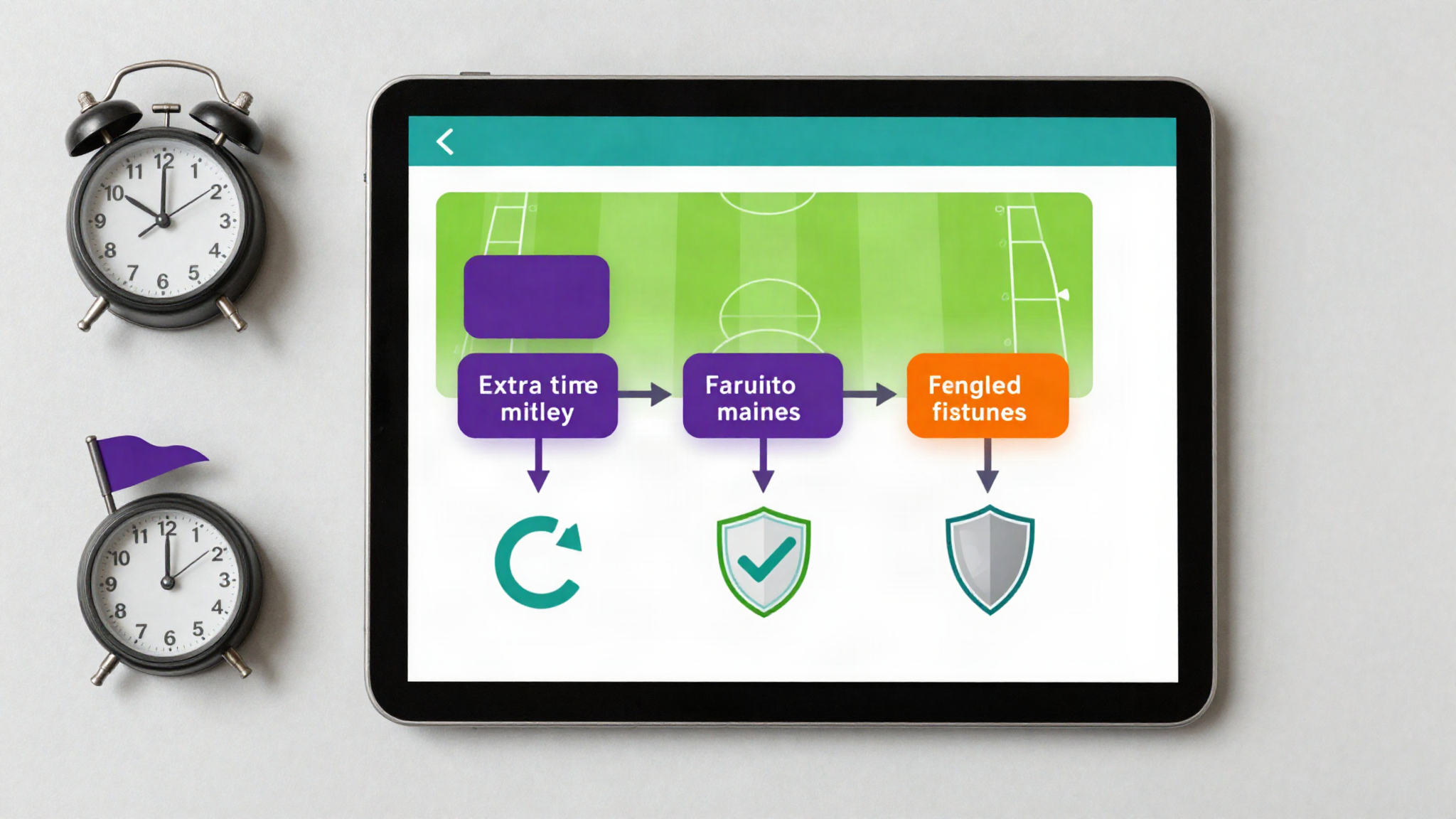
Knockout matches often require several score fields. Store the result after regulation time, the score after extra time, and the penalty-shootout result separately. The team that advances is not always the team that won the regulation period. Combining every stage into one total makes historical comparisons misleading and can create errors when another dataset reports only the first 90 minutes.
Handle Postponed and Abandoned Fixtures Carefully
A postponed fixture has no final score, even if an earlier listing displayed a planned kickoff. An abandoned match may later resume, restart, or receive an administrative decision. Do not guess which outcome will apply. Keep the last confirmed playing state, record the interruption time when available, and wait for an official decision. If the match is replayed, link the new fixture to the original record rather than overwriting the history.
Verify Results With Independent Context
A dedicated page for kết quả bóng đá can be used as one observation point, but important outcomes should be checked against a competition organizer, federation, or another independent results source. Compare team order, score, status, and completion time. If sources disagree, mark the record as pending review instead of selecting whichever value appeared first.
Preserve Corrections as New Versions
Results may change after publication because of data-entry mistakes, disciplinary rulings, or administrative awards. Maintain a revision log containing the previous value, corrected value, source, reason, and timestamp. The current table can show the latest confirmed result, while the change history remains available for auditing. Silent replacement makes it impossible to determine whether an earlier report was wrong or the official outcome changed later.
Use Dates and Time Zones Consistently
Store kickoff and completion times in a standard reference zone while displaying them in the reader’s selected local zone. This matters for late matches that cross midnight. A fixture played on one calendar date at the venue may appear on the following date in Asia. Date filters should therefore state which time zone they use, and exported records should include an explicit offset.
Keep Statistics Separate From the Official Result
Possession, shots, cards, corners, and expected-goal figures can be revised independently of the score. Store them in related fields rather than embedding them in the core result record. Missing statistics should remain missing, not become zero. A zero indicates a confirmed count, while a blank value means the data was unavailable or not yet verified.
Final-Result Verification Checklist
- Confirm competition, round, teams, venue, and kickoff.
- Save the visible status and update timestamp.
- Separate regulation, extra-time, and penalty scores.
- Do not finalize postponed or abandoned matches.
- Check important results against an independent source.
- Preserve corrections in a version history.
- Label time zones in stored and displayed dates.
- Keep optional statistics outside the core score record.
A dependable archive values traceability over speed. Waiting for confirmation is better than publishing an uncertain result as final. Clear status labels, separate score stages, and visible revisions allow readers to understand exactly what happened and when the record changed.