
Serie A matches can be difficult to assess from recent scores alone. Tactical shapes, defensive responsibilities, set-piece quality, squad rotation, and competition priorities may all affect how two teams approach the same fixture. A structured mobile research process helps keep those factors visible without turning every statistic into a prediction.
A general football page such as https://bongdanet.so/ can provide a starting point for fixtures and match information. Important details should still be confirmed through official league, club, or competition sources, particularly when kickoff times or squad availability have changed.
Contents
- Establish the Match Situation
- Map the Likely Tactical Shapes
- Compare Home and Away Roles
- Evaluate the Midfield Structure
- Examine Defensive Matchups
- Include Set Pieces
- Measure Schedule Pressure
- Separate Confirmed Absences From Doubts
- Read Market Data With a Timestamp
- Wait for the Starting Lineups
- Review the Analysis Afterward
Establish the Match Situation
Begin with the competition, venue, kickoff time, and table context. A league fixture requires a different approach from a knockout match, while a team protecting an aggregate advantage may accept a slower and more controlled contest.
Confirm whether the stadium is a genuine home venue or a neutral location. Administrative home status should not automatically be interpreted as normal home advantage.
Map the Likely Tactical Shapes
Formation labels provide a useful starting point but cannot describe every phase. A nominal back four may become a three-player structure in possession, while wing-backs can defend as part of a five.
Consider where each team creates width, how it progresses the ball, and which spaces appear when possession is lost. Tactical compatibility often matters more than the formation numbers displayed on a mobile screen.
Compare Home and Away Roles
Some teams take greater initiative at home but defend more cautiously away. Separate the two sets of performances instead of combining them into one recent-form sequence.
Review whether the opponent’s approach changes those roles. A home side facing an aggressive press may produce a very different match from one allowed to circulate the ball freely.
Evaluate the Midfield Structure
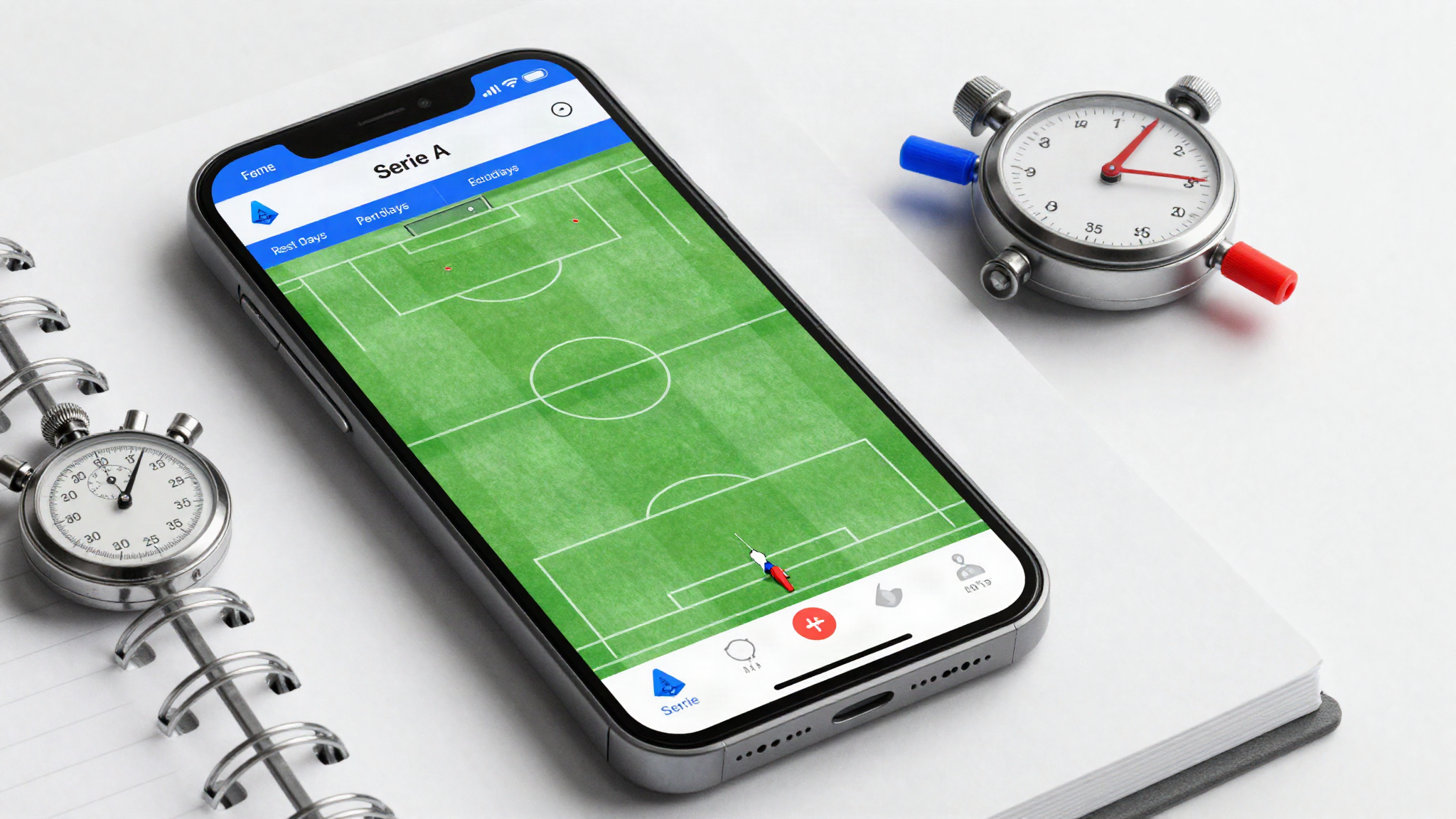
Midfield balance influences possession, counterattack protection, and access to attacking areas. Check whether the expected lineup includes a dedicated holding player, progressive passer, or runner arriving from deeper positions.
An absence in midfield can alter several roles at once. The likely replacement and resulting tactical adjustment matter more than the number of missing players alone.
Examine Defensive Matchups
Compare the attacking strengths of one team with the defensive weaknesses of the other. A fast wide player may test an advancing full-back, while a strong central forward can challenge a defense that struggles with crosses.
These matchups should be framed as possibilities rather than guarantees. Coaches can adjust their press, defensive line, or individual assignments specifically for one opponent.
Include Set Pieces
Corners and free kicks can become important when open play remains balanced. Review which team regularly earns set pieces, how it delivers them, and whether likely starters provide aerial strength.
Raw corner totals do not explain the quality of delivery or the location from which a foul was won. Match footage and event maps offer better context when available.
Measure Schedule Pressure
Count recovery time from the previous final whistle, including travel and any extra time. Then look ahead to the following fixture, since an important continental or cup match may influence rotation.
One short turnaround does not prove that a team will be fatigued. Squad depth, substitutions, training load, and the intensity of the previous contest also matter.
Separate Confirmed Absences From Doubts
Build three lists: unavailable, doubtful, and expected to return. Official announcements and complete press-conference comments should carry more weight than repeated social-media rumors.
Identify the affected position and tactical responsibility. Losing the only natural replacement in a specialized role can matter more than several absences elsewhere.
Read Market Data With a Timestamp
A page displaying tỷ lệ kèo Serie A should be read together with its market type, format, update time, and match status. Regulation-time, handicap, and total-goals markets represent different questions.
A changing figure can follow team news, market activity, correction, or risk management. Movement confirms that the number changed; it does not prove why or reveal the eventual result.
Wait for the Starting Lineups
Lineups can resolve uncertainty about rotation, formation, and player availability. Review the complete structure rather than reacting to one surprising selection.
Check the substitutes as well. The bench indicates which tactical changes remain available if the match develops differently from the original plan.
Review the Analysis Afterward
After the match, compare the expected tactical questions with what occurred. Note formation changes, pressing behavior, set-piece influence, and substitutions without judging the research solely from the score.
Football remains uncertain even when preparation is thorough. Where wagering is legal, users must meet age requirements, use only a fixed entertainment budget, avoid borrowed or essential funds, and never treat tactical analysis as a guarantee of financial return.