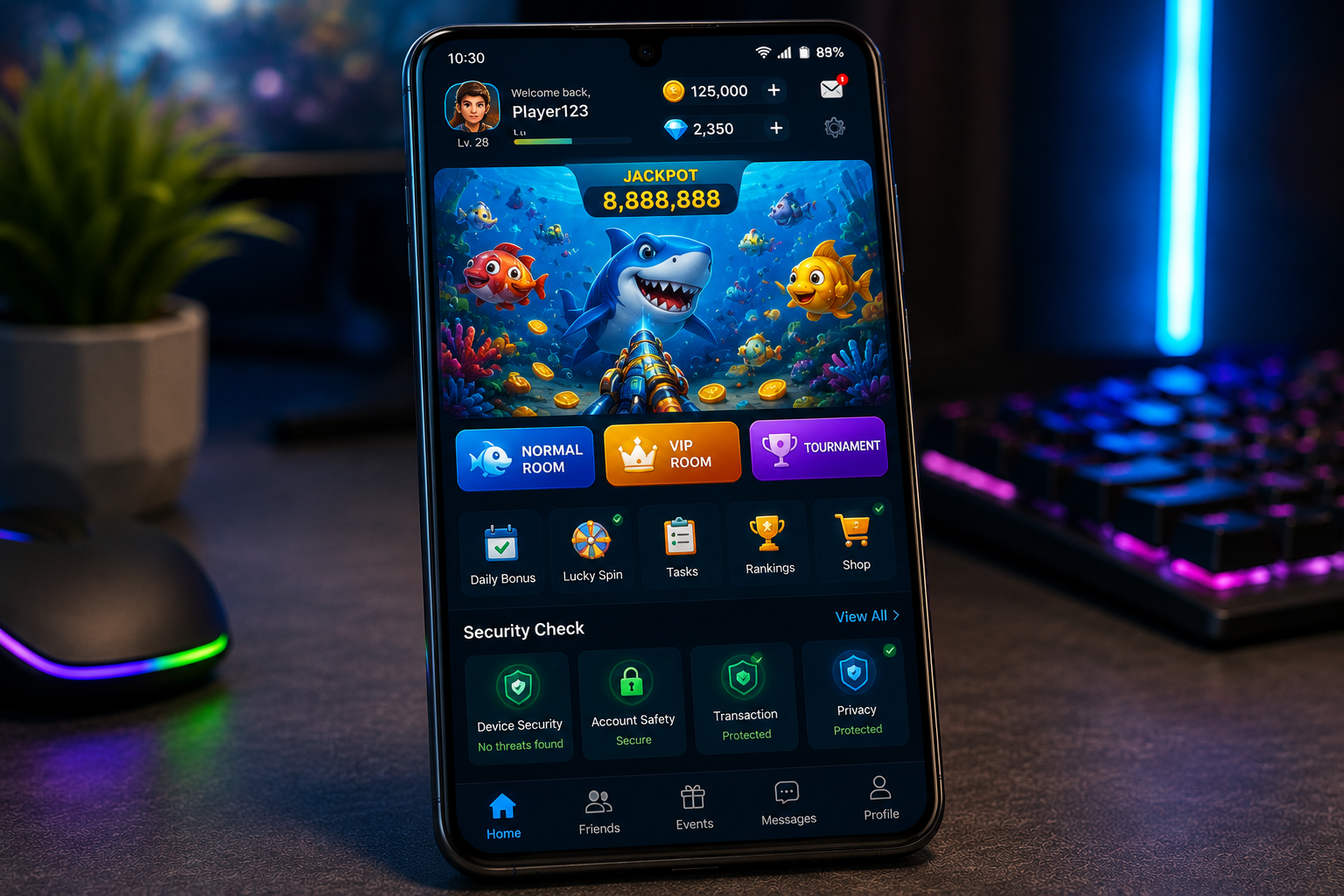
Mobile entertainment platforms can look remarkably similar at first glance. Many present colorful game libraries, account tools, promotional panels, and quick-access menus designed for small screens. The meaningful differences usually become visible only after users examine performance, security, navigation, and service policies more closely.
Comparing platforms should therefore involve more than choosing the site with the brightest interface. A visitor exploring GO 88, for example, can begin by checking how clearly its pages are organized and whether essential information remains accessible on a phone. The same evaluation should then be applied consistently to every alternative under consideration.
Contents
Begin With the Mobile Browsing Experience
A well-designed gaming website should load quickly and adapt smoothly to different screen sizes. Menus need to remain readable without horizontal scrolling, while buttons should be large enough to tap accurately. Important account controls should not disappear behind advertisements or oversized promotional elements.
Test the platform using both Wi-Fi and mobile data when practical. A page that performs well only on a fast connection may become frustrating during ordinary use. Images should be optimized, navigation changes should happen without long delays, and returning to the previous screen should not reset the entire session.
Compare Structure Rather Than Surface Design
Visual style can attract attention, but organization has a greater effect on daily usability. Game categories, search tools, account history, support options, and settings should each have a logical location. A platform that makes users hunt for basic controls may become increasingly difficult to use over time.
When opening another service such as GO88, compare equivalent features rather than unrelated promotional claims. Check how many actions it takes to locate a particular game category, review account activity, reach customer support, or find the platform’s terms. Using the same checklist makes the comparison more balanced.
Inspect Account Protection Options
Account security is one of the most important parts of any online gaming experience. Look for strong password support, secure connection indicators, login alerts, session management, and an option for additional verification. Users should also be able to identify recent account activity and sign out from devices they no longer recognize.
Create a unique password that is not used for email, banking, or social media accounts. Avoid saving credentials on shared phones, and never send verification codes through chat. If a platform requests permissions or personal information that appear unrelated to its service, pause and investigate before continuing.
Read Transaction Rules Before Adding Funds
Any service involving deposits or withdrawals should explain its financial procedures clearly. Users need to understand available payment methods, minimum and maximum amounts, processing periods, identity checks, and possible charges. These details should be available before a transaction begins, not revealed only after money has been submitted.
Start with a modest amount if testing a platform where participation is legal and age-appropriate. Keep transaction confirmations and review account records regularly. Promises of guaranteed returns, unusually large rewards, or effortless income should be treated cautiously because game outcomes are uncertain.
Check Support Without Sharing Sensitive Data
Customer support should be easy to locate and should provide clear answers about account access, technical problems, and platform policies. Before relying heavily on a service, ask a simple question and observe whether the reply is relevant, timely, and understandable.
Support representatives should never request a password, one-time verification code, or full payment credential. If someone asks for such information, end the conversation and use an independently verified contact channel. Screenshots can help explain technical issues, but personal details and account balances should be hidden first.
Look for Tools That Encourage Control
A responsible platform should make it possible to monitor time and spending. Useful controls may include deposit limits, session reminders, temporary breaks, and account restrictions. These features matter because mobile access makes it easy to continue playing without noticing how much time has passed.
Set a fixed entertainment budget before opening any paid game and regard it as an expense rather than an investment. Do not increase the limit to recover a loss, and avoid playing when tired, stressed, or distracted. Local age requirements and online gaming laws should always be checked before registration or payment.
Make the Final Decision Slowly
A fair comparison should cover several sessions instead of relying on one brief visit. Record how each platform performs during navigation, login, support contact, and account review. Consistent operation and transparent policies carry more weight than temporary promotions or elaborate graphics.
The strongest mobile experience is usually the one that feels predictable. Pages load properly, account tools are understandable, financial terms are visible, and users can control their activity. Evaluating these practical qualities helps mobile players make a more informed choice while protecting their devices, personal information, and entertainment budget.